Source Food Grade Flour Sifter for Rice, Wheat, and Starch
Compare 30 verified food grade flour sifter options for rice, wheat, and starch processing. Buyers can evaluate specifications like voltage, material, and capacity to find the right equipment for their production needs; compare the available evidence and request quotations based on your requirements.
Key considerations
Products List


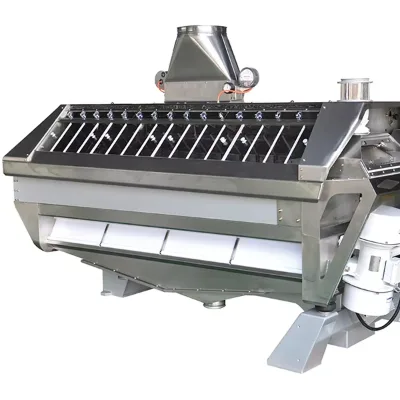


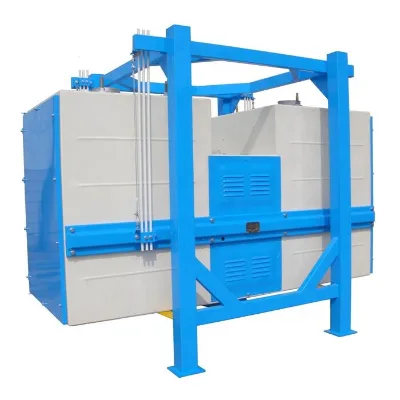


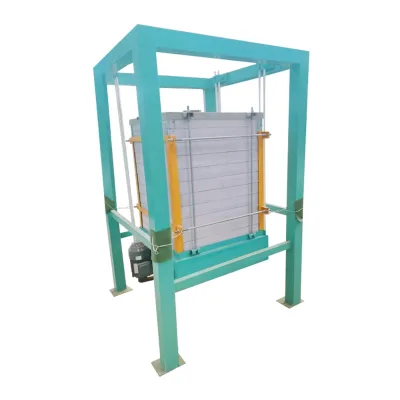


Comprehensive Sourcing Guide
Food Grade Flour Sifter Sourcing Guide
Buyers must first distinguish between industrial-scale milling equipment and smaller commercial units, as the observed listings reveal a wide spectrum of capabilities. The data indicates specific models designed for high-volume processing of wheat, rice flour, and starch, with capacities reaching up to 6000kg per hour. In contrast, other entries describe lightweight fine shakers intended for hotel, restaurant, or household use, highlighting a critical divergence in intended application environments.
Procurement decisions should be anchored by the specific material throughput required, as the observed voltage and power ratings vary significantly across the catalog. While some units operate on standard 380V industrial power with 7.5kw motors, others are configured for different electrical standards or lower power consumption. Verifying the exact power requirement against your facility's infrastructure is essential before selecting a model, as mismatched electrical specifications can lead to operational failure or safety hazards.
Product Scope and Observed Listing Signals
The market presents distinct product categories ranging from vertical flour mills to circular vibrating screens, each serving different stages of the milling process. Listings explicitly identify models like the wheat flour sifter and the Baobab Powder Separator, suggesting specialized applications for specific grain types or fine powders. Buyers should carefully review the stated application lists, which include flour, rice flour, starch, beans, and wheat, to ensure the machine matches their specific raw material profile.
Observations of the product condition reveal a mix of new and customized units, with some suppliers offering non-customized standard configurations. The presence of "Second" press series items suggests a secondary market for refurbished or older inventory, which may offer cost savings but requires rigorous inspection. Additionally, the variety in packing standards, from international export cartons to plywood cases, indicates that logistics and protection requirements differ by manufacturer and must be negotiated explicitly.
Technical Specifications to Verify
Critical technical verification begins with the material of construction, as the observed data specifies Stainless Steel 304 or SUS304 for food-grade contact surfaces. This material choice is vital for preventing corrosion and ensuring hygiene in food processing environments, particularly when handling acidic or moist grains. Buyers must confirm that all internal components, including the sieve cage and shaft, meet these material standards to avoid contamination risks during operation.
The mechanical design parameters, such as the running track and transmission structure, also require close scrutiny to ensure operational efficiency. The listings mention eccentric vibrating screens and rotary vane shakers, which dictate the motion pattern and separation accuracy of the equipment. Furthermore, the noise level is noted to be less than 75db in some models, a factor that influences workplace safety and compliance with local occupational health regulations.
Compliance and Safety Documentation
Food processing machinery must adhere to strict hygiene and safety standards, which are often reflected in the product standards listed, such as double or 4-8 section configurations. Buyers should request documentation proving that the equipment meets relevant food safety regulations for the target market, as the observed "double" standard may refer to specific structural or safety layering requirements. Without explicit certification data, buyers must assume that compliance is not guaranteed and must verify it through third-party testing.
Safety features regarding electrical components and mechanical guards are equally important, especially given the high power ratings observed in industrial models. The core components, including engines, must be sourced from reputable manufacturers to ensure reliability and safety under continuous load. Documentation should also cover the warranty terms, as the observed one-year warranty provides a baseline for manufacturer confidence but may need to be extended for critical production lines.
Cost Drivers and Commercial Terms
Pricing in this category is highly variable, with observed ranges spanning from $0.66 to $80,000, driven primarily by capacity, material quality, and customization levels. High-capacity units with 7.5kw motors and stainless steel construction command premium prices, while smaller, lightweight shakers for commercial kitchens are significantly more affordable. Buyers must align their budget with the specific performance metrics required, avoiding the trap of selecting a low-cost unit that lacks the necessary throughput for their production volume.
Minimum Order Quantities (MOQ) and payment terms also vary, with some suppliers requiring orders of 100 pieces while others accept single-unit purchases. The observed MOQ of 100PCS for certain models suggests that bulk purchasing is often necessary to access favorable pricing or specific configurations. Negotiating these terms is crucial, as the total cost of ownership includes not just the unit price but also shipping, which is influenced by the packing method and origin location.
Supplier Qualification and Quality Control
Supplier verification should focus on the origin and manufacturing capabilities, as the data points to specific locations like Jiangmen and China as key production hubs. Buyers must assess the supplier's ability to provide consistent quality, particularly regarding the material specifications and the precision of the sieve cage dimensions, which range from 180mm to 650mm in diameter. A supplier's track record in producing food-grade equipment is a strong indicator of their ability to meet hygiene and durability standards.
Quality control processes must be validated through on-site audits or third-party inspections, especially for customized orders where specifications may deviate from standard models. The availability of customization is a key differentiator, allowing buyers to tailor the machine to their specific production line needs. However, this flexibility introduces complexity, requiring clear communication of technical requirements to ensure the final product matches the intended application without compromising structural integrity.
Long-Term Procurement Checks
Sustainable procurement requires establishing a clear maintenance and support framework, as the observed warranty periods and spare part availability are critical for operational continuity. Buyers should verify the lead times for replacement parts, such as sieve cages or engines, to minimize downtime during the equipment's lifecycle. A robust after-sales support system is essential, particularly for high-capacity units where a failure can halt entire production lines.
Future scalability should also be considered, as the observed product range includes models with varying capacities and stages of sieving. Selecting a supplier that offers a range of compatible upgrades or modular additions can extend the useful life of the initial investment. Regular performance reviews against the initial specifications, such as noise levels and throughput rates, will help ensure the equipment continues to meet the evolving demands of the food processing industry.
FAQs
What materials are used for food grade flour sifters?
Food grade flour sifters are typically constructed from stainless steel, specifically SUS304 or mild steel variants. This material choice ensures durability and compliance with hygiene standards for food processing applications. The stainless steel construction resists corrosion and facilitates easy cleaning, making it suitable for handling flour, rice flour, and other fine powders in industrial settings.
Can food grade flour sifters be customized for specific needs?
Yes, many food grade flour sifters offer customization options to meet specific production requirements. Buyers can select from various models such as CW1125 or BL18-65, with available configurations for voltage and sieve cage diameters ranging from 180 to 650 mm. Customization allows for tailored performance in separating different types of grains and powders efficiently.
How much power do industrial flour sifters consume?
Industrial flour sifters typically consume power ranging from 1.5 kW to 7.5 kW depending on the model and capacity. Higher capacity units, such as those processing 2000-6000 kg/hr, generally require more power, often around 7.5 kW. This energy consumption supports the eccentric vibrating screen transmission structure needed for effective separation of flour and starch products.
What is the typical warranty period for flour sifter machines?
The typical warranty period for flour sifter machines is one year. This warranty covers core components and ensures that the equipment functions correctly upon installation. Buyers should verify specific warranty terms with suppliers, as coverage may vary based on the manufacturer and the specific model purchased, such as those originating from Jiangmen or other Chinese manufacturing hubs.
Which applications are suitable for circular vibrating flour sifters?
Circular vibrating flour sifters are suitable for processing flour, rice flour, starch, beans, and wheat. They are designed for food processing applications in hotels, restaurants, and large-scale industrial facilities. The circular vibrating screen effectively separates fine powders, ensuring consistent product quality for daily use, gifts, and household or party catering needs.